2026-08-20 · Mike Ellison
Water Intrusion Risks Near the Everglades in Davie
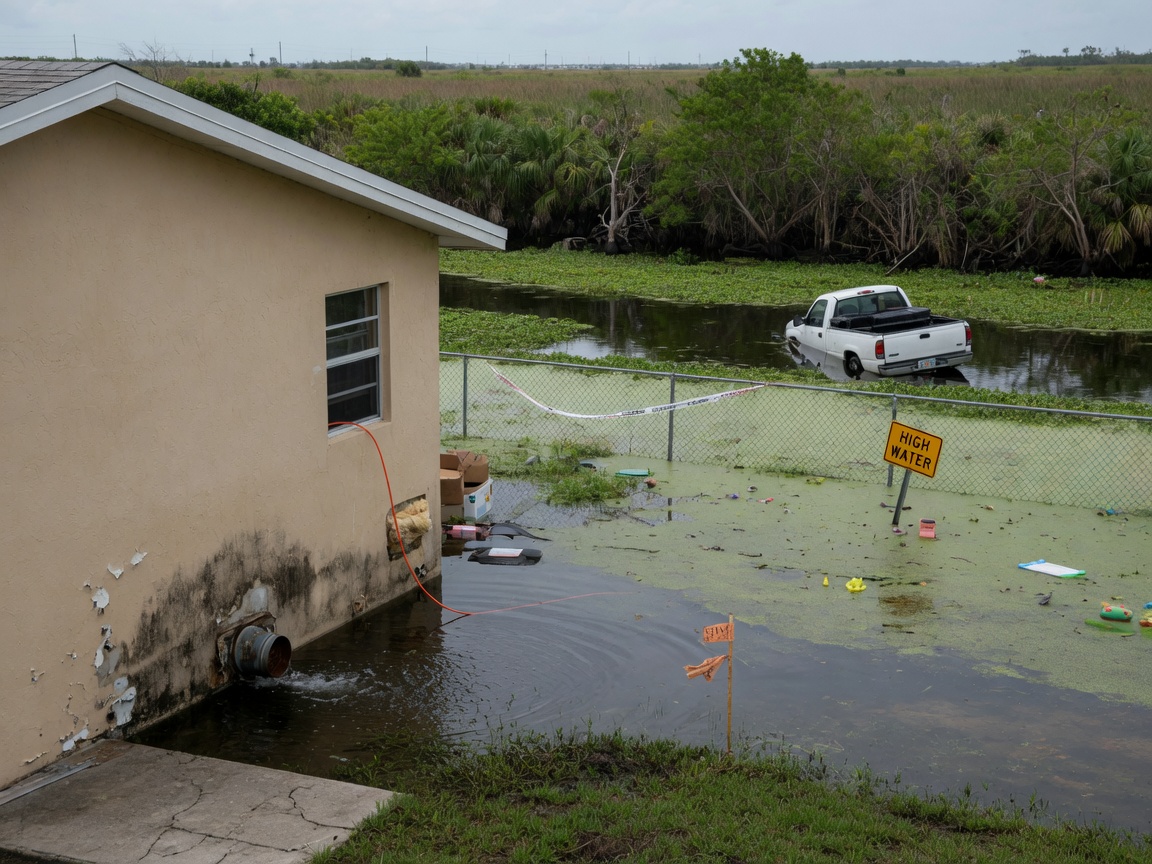
Homes within a few miles of the Everglades boundary in Davie experience water intrusion primarily through elevated groundwater levels that push moisture into foundations year-round, especially after prolonged rains in Broward County.
High Water Table Effects on Foundations
Davie sits on a shallow aquifer system tied directly to Everglades hydrology, where the water table often sits within 2–4 feet of the surface in neighborhoods like those along SW 36th Street and near the Broward County line. This forces hydrostatic pressure against concrete slabs and crawlspaces in single-family homes built from the 1970s onward. Moisture migrates through hairline cracks and porous block, leading to efflorescence and eventual wood rot in floor joists. Properties in adjacent Weston and Plantation face similar conditions because the same limestone and sand soils extend across the region. Regular inspection of sump systems and French drains becomes essential before the June-to-October rainy period begins.
Canal Overflow and Seasonal Flooding Patterns
Davie’s network of canals connected to the Everglades Water Conservation Areas overflows during intense afternoon thunderstorms and tropical storms, sending water across yards in areas like the Davie Road corridor and near Pine Island Ridge. These events saturate soil around older ranch-style homes and newer townhomes alike, allowing water to enter through window wells, garage thresholds, and exterior door frames. Handling canal overflow flooding in Davie neighborhoods details how standing water persists for days on flat lots common throughout the area. Homeowners should monitor canal levels via the South Florida Water Management District alerts and clear debris from swales before storms arrive.
Humidity-Driven Intrusion Through Building Materials
Even without visible flooding, the Everglades proximity creates persistent 80–90% relative humidity that drives vapor through stucco and vinyl siding on Davie homes. This leads to condensation inside wall cavities during cooler nights, particularly in structures lacking proper housewrap or vapor barriers installed during the 1980s building boom. Attic insulation and ductwork in these homes absorb moisture, accelerating mold growth on drywall returns. Pool area drainage checks for Davie properties outlines how poor grading around backyard pools common in the area compounds this vapor issue. Sealing penetrations and improving attic ventilation reduces the load on HVAC systems that already run continuously in Broward County’s climate.
Practical Monitoring Steps for Davie Residents
Check foundation perimeters monthly for new cracks wider than 1/16 inch and test soil moisture with a simple probe at 12-inch depth near the home. Clear roof gutters and downspout extensions after every storm to prevent water from pooling against the slab. In flood-prone pockets near the Everglades, install battery backup for sump pumps and consider elevating electrical panels above expected surge heights. When intrusion occurs, prompt water extraction services followed by targeted drying prevents secondary damage to cabinets and flooring typical in local kitchens and bathrooms.